
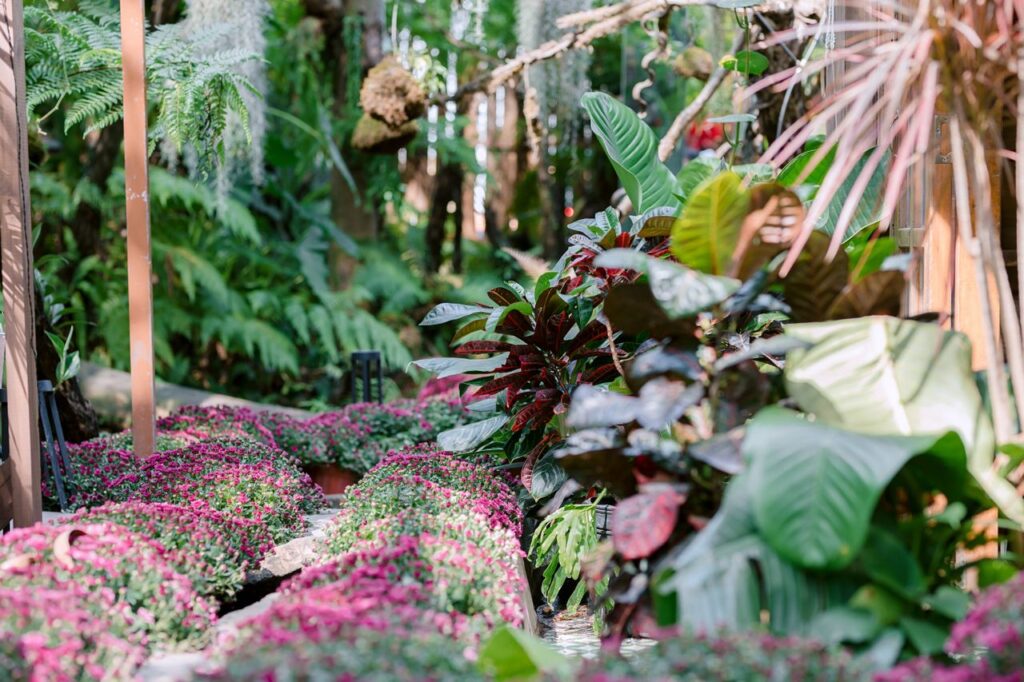
After a major pest infestation, the best way to rebuild is to remove the strongest pest reservoirs, save plants that still have a realistic chance of recovering, clean the growing area, monitor for surviving life stages, and restart gradually rather than replacing everything immediately.
A badly infested garden can feel as though every plant needs to be thrown away.
Usually, that is not necessary.
But keeping every heavily damaged plant can be just as unhelpful.
The first step is to stop thinking about individual insects and assess the garden as a whole.
Which plants are still worth saving?
Where are the pests reproducing?
What allowed the outbreak to become so severe?
And what needs to change before new plants are introduced?
Start With an Honest Assessment
Walk through the garden before treating anything else.
Separate plants mentally into three groups:
recoverable, questionable, and beyond saving.
A recoverable plant may have:
some damaged leaves,
a manageable pest population,
healthy stems,
and strong new growth.
A questionable plant may be:
badly defoliated,
heavily infested,
or repeatedly declining.
A plant that is beyond saving may be:
covered in pests,
structurally weak,
barely growing,
and acting as a major source of infestation for healthier plants.
Trying to rescue every plant can sometimes keep the outbreak alive.
Remove the Worst Pest Reservoirs First
A heavily infested plant can continually produce new pests that spread into surrounding crops.
This is especially important with:
whiteflies,
thrips,
spider mites,
scale insects,
aphids,
and mealybugs.
If one old chilli plant is carrying hundreds of pests while several younger plants remain relatively healthy, removing the old plant may protect the rest of the garden.
This is not failure.
It is pest management.
Do Not Remove Everything Automatically
A plant with damaged leaves is not necessarily doomed.
Old scars, stippling, yellowing, and curled leaves may remain even after the pest population falls.
Look for:
healthy buds,
new shoots,
firm stems,
and improving growth.
If the new growth is healthy and pest numbers are declining, the plant may recover perfectly well.
Judge the plant by what it is doing now, not only by what the old leaves look like.
Confirm Which Pest Caused the Outbreak
Before rebuilding, make sure you know what you were dealing with.
Different pests survive in different places.
Whiteflies may leave immature stages under leaves.
Thrips may remain in flowers and growing tips.
Spider mites may leave eggs on foliage.
Scale may persist on stems.
Fungus gnat larvae may remain in moist growing media.
If you do not understand where the surviving population is located, cleanup may only remove the obvious adults.
Break the Life Cycle Before Replanting
Do not rush to bring new plants into the area while the pest population is still active.
Continue inspecting:
leaf undersides,
flowers,
stems,
potting media,
and sticky traps
where appropriate.
You want to see a clear downward trend in pest activity.
Otherwise, the new seedlings you introduce may simply become fresh food for the surviving population.
Remove Heavily Infested Plant Material
Prune or remove:
badly infested leaves,
dead shoots,
damaged fruit,
and unusable plant material.
But avoid stripping recovering plants unnecessarily.
A plant still needs healthy leaves for photosynthesis.
Selective cleanup is better than turning every survivor into a bare stem.
Dispose of Pest-Heavy Material Carefully
Do not leave heavily infested prunings beside the garden.
Pests may continue surviving on removed material for some time.
Move it away from healthy crops.
If the outbreak involved uncertain disease symptoms as well as pests, be cautious about automatically putting everything into a home compost system.
Home compost piles vary greatly and may not reliably destroy every pest or pathogen.
Clean the Ground Around the Plants
After a major infestation, the surrounding growing area may contain:
fallen leaves,
old fruit,
dead flowers,
weeds,
and infested plant debris.
Remove unnecessary material.
This reduces places where pests can remain hidden and makes future monitoring easier.
The goal is not to sterilise the garden.
It is to remove obvious pest reservoirs.
Check Weeds and Ornamentals Too
One reason infestations return is that gardeners clean the vegetable bed but ignore nearby host plants.
Inspect:
weeds,
ornamental plants,
herbs,
fruit trees,
and neighbouring pots.
A whitefly population living on an ornamental shrub can quickly move back onto freshly planted vegetables.
The most damaged crop is not always the main source of the problem.
Clean Reusable Pots and Equipment
If plants were removed completely, clean their containers before reuse.
Remove:
old roots,
soil,
pest debris,
and plant material.
Where a serious disease or root problem was also present, sanitising the pot may be appropriate.
Also check:
saucers,
stakes,
trellises,
plant clips,
and trays.
There is little value in cleaning the container while returning contaminated equipment directly to the new crop.
Do Not Automatically Throw Away All Potting Mix
If the outbreak was mainly an above-ground pest such as:
thrips,
whiteflies,
or spider mites,
the growing medium may not need to be discarded automatically.
However, if the plant also suffered:
severe root rot,
soil-borne disease,
root mealybugs,
or another root-zone problem,
reuse deserves more caution.
Match your cleanup to the actual problem.
Let Healthy Survivors Recover
After severe pest pressure, surviving plants may already be stressed.
Avoid immediately adding:
heavy fertiliser,
strong foliar feeds,
multiple pesticides,
and severe pruning
all at once.
Give the plant stable:
watering,
light,
drainage,
and nutrition.
Recovery should be gradual.
A stressed plant does not need every possible intervention on the same day.
Do Not Over-Fertilise to “Push New Growth”
It can be tempting to apply extra nitrogen after pests damage the leaves.
But excessive fertiliser may create very soft, lush growth that is attractive to some sap-feeding pests.
Use an appropriate feeding programme.
The goal is steady recovery, not forcing the plant to replace every lost leaf immediately.
Correct the Conditions That Helped the Outbreak
Ask why the infestation became severe.
Was the garden:
too crowded?
difficult to inspect?
repeatedly drought-stressed?
receiving too much nitrogen?
full of untreated host plants?
rarely monitored?
dependent on one pesticide that stopped working?
Did the outbreak begin with a new nursery plant?
Rebuilding should correct the system, not simply replace dead crops.
Improve Plant Spacing
Crowded plants make it harder to:
inspect leaf undersides,
spot early damage,
apply targeted treatments,
and maintain airflow.
In Malaysia’s humid conditions, overcrowding can also increase disease pressure.
Give new plants enough room for their mature size rather than spacing tiny seedlings as closely as possible.
Reintroduce Plants Gradually
After a major infestation, avoid filling every empty space with new plants immediately.
Start with a smaller number.
This makes it easier to:
monitor,
inspect,
and respond quickly
if pests remain.
Once the garden stays stable, add more crops.
A gradual restart is easier to manage than another dense planting all at once.
Inspect Every New Nursery Plant
A recovering garden is a poor place to introduce another infestation.
Before bringing home a new plant, inspect:
new leaves,
leaf undersides,
flowers,
stems,
and potting mix.
Where practical, keep new nursery plants slightly separated for a period of observation.
One unnoticed whitefly or scale infestation can undo weeks of cleanup.
Use Sticky Traps for Monitoring Where Appropriate
Yellow or blue sticky traps can help you detect whether certain flying pests remain active.
Yellow traps may help monitor:
whiteflies,
fungus gnats,
and some other small flying pests.
Blue traps can be useful for thrips.
Do not judge recovery only by the traps.
Use them together with direct plant inspection.
Protect Beneficial Insects During the Rebuild
After a severe infestation, it is tempting to spray the entire growing area repeatedly.
But broad-spectrum pesticide use can also remove:
ladybird beetles,
lacewings,
predatory mites,
parasitoid wasps,
and other natural enemies.
That may make the rebuilt garden more vulnerable later.
Use targeted treatments only when pest pressure justifies them.
Avoid Preventive Spraying Without a Target
Spraying every new plant “just in case” may seem protective.
But unnecessary treatments can:
injure foliage,
kill beneficial organisms,
and contribute to resistance.
Monitor first.
If the pest returns, identify it and respond appropriately.
A rebuilt garden should rely more on early detection than constant chemical protection.
Review What Worked During the Outbreak
Major infestations can teach you a lot.
Record:
which pest appeared,
which plants were affected first,
what treatment you used,
what worked,
what failed,
and how quickly the population changed.
You may discover patterns.
Perhaps spider mites repeatedly started on one hot balcony corner.
Maybe whiteflies were coming from an ornamental plant.
Perhaps thrips became severe whenever the chillies flowered heavily.
That information becomes part of your future prevention plan.
Do Not Expect the Garden to Look Perfect Immediately
Recovery takes time.
Plants may continue carrying:
scarred leaves,
damaged fruit,
old yellowing,
or missing branches.
A rebuilt garden can look rough for several weeks while new growth develops.
Focus on:
healthy new leaves,
declining pest numbers,
better plant vigour,
and normal flowering.
Those are much better indicators of recovery than cosmetic perfection.
When Should You Replace a Damaged Plant?
Consider replacing a plant when:
most of its productive structure is gone,
new growth remains weak,
pests repeatedly recolonise it,
it is already near the end of its productive life,
or recovery requires more effort than starting again.
For annual vegetables, replacing an old badly damaged plant is often more practical than spending months rehabilitating it.
For valuable perennial plants, a longer recovery period may make sense.
Watch for Disease After Pest Damage
Heavy pest feeding can leave damaged tissue.
Honeydew-producing pests can also encourage sooty mould.
Some pests may transmit plant pathogens.
During recovery, monitor for:
persistent leaf spots,
rotting tissue,
unusual mottling,
severe distortion,
or continued decline
even after pest numbers fall.
A plant may be dealing with more than one problem.
Use a Simple Recovery Schedule
First stage: Stop the outbreak
Identify the pest, remove major reservoirs, and reduce the active population.
Second stage: Clean the garden
Remove infested debris, clean reusable equipment, inspect neighbouring plants, and correct obvious pest-friendly conditions.
Third stage: Stabilise survivors
Provide appropriate water, nutrition, light, and airflow without over-treating.
Fourth stage: Monitor
Watch new growth, pest numbers, and sticky traps where useful.
Fifth stage: Replant gradually
Introduce healthy new plants only after pest pressure is clearly under control.
Sixth stage: Prevent recurrence
Continue regular inspection and apply what you learned from the original outbreak.
A Rebuilding Checklist
Before declaring the garden ready to restart, ask:
1. Have the worst pest reservoirs been removed?
2. Are surviving plants producing healthier new growth?
3. Are pest numbers clearly declining?
4. Have nearby host plants been inspected?
5. Has heavily infested debris been removed?
6. Have reusable pots and equipment been cleaned where necessary?
7. Have overcrowding, watering, or fertiliser problems been corrected?
8. Are beneficial insects being protected?
9. Are new nursery plants being inspected before introduction?
10. Can I monitor the rebuilt garden easily?
If the answer is yes to most of these, you are not simply replacing plants.
You are building a more resilient garden.
Rebuilding Should Make the Garden Better Than Before
A major pest infestation is frustrating, but it also reveals weaknesses in the garden system.
Maybe plants were too crowded.
Maybe inspection was too infrequent.
Maybe one old plant became a pest reservoir.
Maybe the same spray was used repeatedly without breaking the life cycle.
The goal should not be to recreate exactly the garden you had before the outbreak.
Use the experience to create one that is:
easier to inspect,
better spaced,
more diverse,
and easier to manage.
At the end of the day, rebuilding after a major pest infestation means removing the parts of the garden that are keeping the pest cycle alive while protecting healthy survivors and restarting gradually. Malaysian home gardeners should take advantage of the reset to improve spacing, inspect nearby host plants, clean reusable equipment, protect beneficial insects, and identify the conditions that allowed the outbreak to grow. Do not rush to fill every empty pot immediately. A smaller, closely monitored garden that stays healthy is a much stronger foundation than replacing everything at once and giving the surviving pests a fresh crop to attack.
Had to rebuild your chillies, vegetables, herbs, or balcony garden after a serious pest outbreak? Share what you removed, what you managed to save, what you changed before replanting, and how the new garden is performing by tagging @projectharvest.my on Instagram. Real recovery stories from Malaysian gardens can help other growers see that a major infestation does not have to be the end of the garden — it can become the reset that makes the next growing cycle much stronger.