
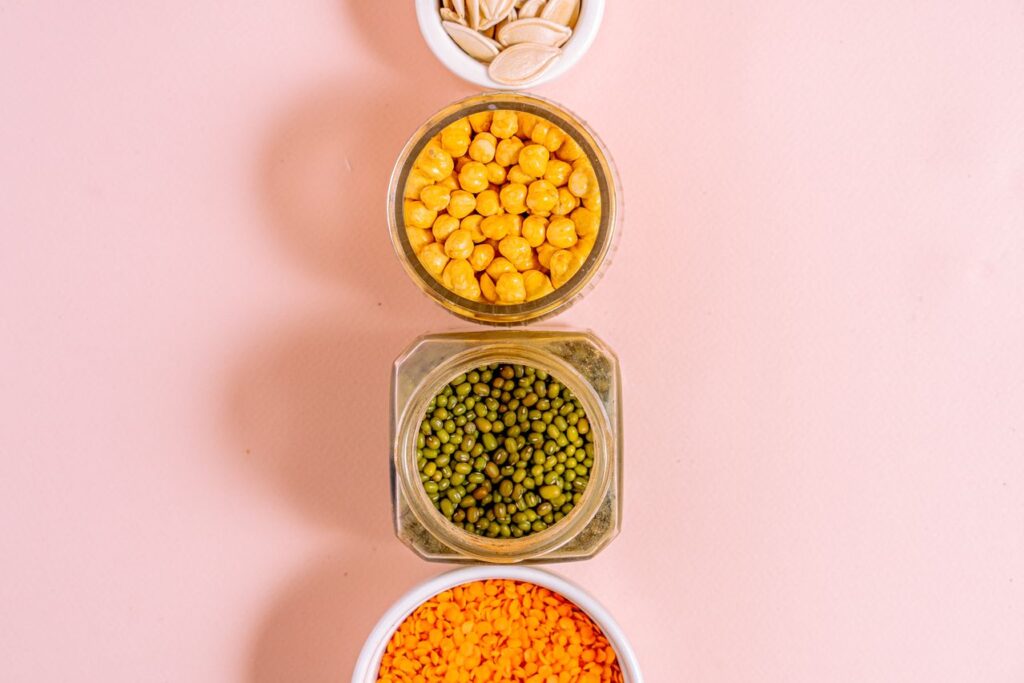
Saving seeds means collecting mature seed from plants you have already grown, drying and storing it properly, and planting it again in a future growing cycle.
For Malaysian home gardeners, it can be a practical way to reduce seed costs, preserve a variety you enjoy, and gradually build your own home seed collection.
But there is one important thing to understand first:
not every seed you save will necessarily produce a plant identical to the parent.
The result depends on the plant variety, whether it was a hybrid, and whether it cross-pollinated with another compatible plant nearby.
That is why successful seed saving starts before you even collect the seed.
Start with the Right Plants
The easiest seeds to save are generally from open-pollinated varieties.
Open-pollinated plants can reproduce from seed while maintaining relatively consistent characteristics, provided they do not cross-pollinate with another variety of the same species.
Heirloom varieties are usually open-pollinated too.
Hybrid plants are different.
A hybrid variety — often labelled F1 — is produced by crossing selected parent lines.
Seeds collected from an F1 hybrid may still germinate, but the next generation can show unpredictable characteristics.
The plants may differ in:
fruit size,
flavour,
colour,
growth habit,
yield,
or disease resistance.
That does not mean hybrid seed is sterile. It simply means the next generation may not remain true to the variety you bought.
Choose Your Best Parent Plants
Do not automatically collect seed from whichever plant happens to have fruit left at the end of the season.
Choose healthy plants with characteristics you actually want to keep.
For example, you might select a chilli plant that:
produced well,
stayed healthy,
handled Malaysian heat well,
had fruit size you liked,
and showed strong overall growth.
Avoid deliberately saving seed from severely diseased or unusually weak plants.
Seed saving gives you an opportunity to select which plants contribute to your future garden.
Let Seeds Mature Fully
Seeds intended for saving often need to mature longer than crops harvested for eating.
For example, an okra pod harvested young for cooking contains immature seed.
To save okra seed, allow selected pods to remain on the plant until they become mature, dry, and hard.
Beans used as fresh vegetables also need to stay on the plant longer if you want mature dry seed.
Chillies should generally be allowed to reach full ripe colour before seed collection.
The seed needs enough time to complete its development.
Some Crops Are Easier Than Others
Beginners should start with crops that are relatively straightforward.
Good examples include:
beans,
okra,
peas where suitable,
chillies,
tomatoes,
lettuce-type crops,
and some herbs.
More complicated crops include members of the cucumber, pumpkin, melon, and squash family because they may cross-pollinate with compatible varieties.
Some leafy brassicas can also cross readily with related plants.
The more easily a crop cross-pollinates, the more difficult it becomes to save seed that remains true to type.
Saving Chilli Seeds
Chillies are a good place to begin.
Choose a healthy, fully ripe fruit from a strong plant.
Cut the chilli open carefully and remove the seeds.
Wear gloves if working with very hot varieties, and avoid touching your eyes or face.
Spread the seeds in a single layer on a clean non-stick surface or suitable drying material.
Allow them to dry thoroughly somewhere:
shaded,
well ventilated,
and protected from rain.
Do not seal the seeds into a container while they still contain moisture.
Once completely dry, label and store them.
Saving Tomato Seeds
Tomato seeds require a slightly different method because each seed is surrounded by a gelatinous coating.
You can simply clean and dry tomato seed in some situations, but fermentation is commonly used because it helps remove this coating.
Scoop the seeds and surrounding pulp into a small labelled container.
Add a small amount of water if necessary.
Allow the mixture to ferment briefly until the gel surrounding the seeds begins breaking down.
Do not leave it forgotten for days in Malaysian heat.
Once the coating loosens, add water, rinse the seeds thoroughly, and separate healthy seeds from pulp.
Spread the cleaned seeds into a thin layer and dry them completely before storage.
Good airflow is especially important in our humid conditions.
Saving Okra Seeds
Okra is particularly easy.
Choose healthy pods specifically for seed production and leave them on the plant much longer than normal harvest stage.
The pods eventually become:
large,
fibrous,
brown,
and dry.
Once fully mature and dry, harvest them.
Break the pod open and remove the hard seeds.
Check for insect damage.
Then dry the seeds further before storage if there is any remaining moisture.
Do not confuse edible-stage okra with seed-stage okra. By the time the pod is ideal for seed saving, it is usually far too tough for cooking.
Saving Bean Seeds
Allow selected bean pods to remain on the plant until they become dry and brittle.
The seeds inside should feel hard.
Harvest during dry weather if possible.
Shell the beans and inspect them.
Remove damaged, mouldy, or insect-infested seed.
Then allow the seed to dry further before storage.
Beans are excellent for beginner seed savers because the mature seed is easy to recognise and handle.
What About Basil and Other Herbs?
Basil can produce large quantities of seed after flowering.
Allow some flower spikes to remain on the plant instead of cutting every flower off.
Eventually the flowers dry and small dark seeds develop.
Harvest the dry flower heads and gently rub or shake them over a clean tray or piece of paper.
Separate as much plant debris as practical.
Then dry and store the seeds.
This is useful if you have a basil plant particularly well adapted to your garden conditions.
Wet Seeds vs Dry Seeds
Seed-saving crops can roughly be divided into two groups.
Dry-seeded crops develop mature seeds inside dry pods or flower heads.
Examples include:
beans,
okra,
basil,
and many leafy vegetables allowed to flower.
These seeds are usually harvested once the plant material becomes dry.
Wet-seeded crops develop seeds inside fleshy fruit.
Examples include:
tomatoes,
chillies,
cucumbers,
pumpkins,
and melons.
These seeds need to be removed from fruit, cleaned, and then dried properly.
Understanding which type you are working with makes the process much easier.
Cross-Pollination Can Change the Next Generation
This is where seed saving becomes more technical.
Some plants mostly pollinate themselves.
Others are much more likely to receive pollen from neighbouring plants.
If two compatible varieties cross, the fruit currently on the plant still looks normal because it developed from the mother plant.
The difference appears in the next generation, when you plant the saved seed.
For example, if two compatible chilli varieties cross, seeds from one fruit may produce offspring showing characteristics from both parent lines.
This can be fun if you enjoy experimenting.
It is less useful if you are trying to preserve one exact variety.
Do You Need to Isolate Plants?
For casual home seed saving, not always.
If you simply want viable seed and do not mind some variation, isolation may not matter much.
If you want to preserve a named variety accurately, you may need:
greater distance from compatible varieties,
physical barriers,
bagging flowers,
or controlled hand pollination.
The appropriate method depends on the crop.
This is why serious seed saving can become much more technical than simply drying a few seeds.
Never Save Seed from Unknown Diseased Fruit Without Thinking
Some plant diseases can potentially be carried on or with seed.
This does not mean every diseased-looking fruit produces dangerous seed, but it is good practice to save from healthy plants wherever possible.
If a plant suffered a serious disease that could be seed-borne, avoid casually saving seed from it.
Starting future crops with healthy propagation material is usually the safer choice.
Drying Is Critical in Malaysia
This is one of the biggest challenges for Malaysian gardeners.
Seed that feels dry on the surface can still contain too much moisture for safe storage.
Our humid air slows drying and makes reabsorption of moisture easy.
Dry seeds in a sheltered area with good airflow.
Keep them out of:
direct rain,
very humid outdoor conditions,
and strong sun that can overheat them.
Small seeds usually dry faster than large seeds.
The goal is thoroughly dry seed, not cooked seed.
Do Not Dry Seeds in Harsh Sun
Strong tropical sunlight can heat seeds significantly.
That may reduce viability.
Drying in warm shade with good air movement is generally safer than placing seeds on a metal tray under full afternoon sun.
Patience is better than excessive heat.
Label Seeds Immediately
Do not trust yourself to remember later.
Write down:
crop,
variety,
harvest date,
and any useful notes.
For example:
Cili Padi – Backyard Plant A – September 2026
You might even add:
high yield, compact plant
if that was why you selected it.
Over several generations, these notes can help you understand which plants perform best in your own garden.
Store Seeds Only After They Are Fully Dry
Once dry, place the seeds into labelled packets.
Paper envelopes are useful for organising them, but in Malaysia they should ideally go inside a second airtight container.
Add an appropriate desiccant where useful.
Store the container somewhere:
cool,
dark,
and dry.
For longer storage, a properly sealed refrigerator container can work well.
If refrigerated, allow the sealed container to warm to room temperature before opening it so humid air does not condense on cold seeds.
Test Saved Seeds Before Relying on Them
Before planting your entire garden with saved seed, run a small germination test.
Take ten seeds.
Place them under suitable germination conditions.
If eight germinate, you have roughly 80% germination.
If only two germinate, the seed may have been immature, poorly dried, badly stored, or naturally low in viability.
Testing saves you from wasting an entire planting cycle.
Do Not Expect Every Saved Seed to Be Perfect
Even experienced seed savers see variation.
Some seeds fail.
Some offspring grow differently.
Cross-pollination happens.
Unexpected traits appear.
That is part of the biology.
If you need absolute consistency for production, professionally produced seed may be more reliable.
But for a home gardener, saving seed can be a valuable and rewarding part of learning how plants reproduce.
Build Your Seed Collection Slowly
You do not need to save seed from everything in the garden.
Start with two or three easy crops.
For example:
one chilli variety,
okra,
and basil.
Learn how each plant forms mature seed.
Learn how long drying takes in your home.
Test germination.
Improve your storage method.
Then gradually expand.
Seed saving becomes much easier once you learn the rhythm of a few familiar plants.
Why Save Your Own Seeds?
Cost savings are one benefit, but they are not the only reason.
Seed saving can help you:
preserve a favourite variety,
become more self-reliant,
share seeds with friends,
create a home seed library,
and understand your plants much more deeply.
Over time, selecting seed from plants that perform particularly well in your own garden may also help you maintain lines that consistently suit your local growing conditions, although meaningful adaptation requires careful selection across generations.
At the end of the day, saving seeds from your own garden is about more than keeping leftovers from a fruit or pod. Choose healthy parent plants, allow seeds to mature fully, understand whether the variety is open-pollinated or hybrid, dry the seed carefully, and protect it from Malaysia’s humidity during storage. Start with easy crops such as chillies, okra, beans, or basil, and you may eventually find that one growing season naturally feeds into the next — not just through the harvest you eat, but through the seeds you keep.
Saving seeds from a particularly productive chilli, okra, bean, tomato, or herb this season? Tag @projectharvest.my on Instagram and show us your seed harvest, drying setup, labelled packets, or the next generation once those saved seeds germinate. We would love to see Malaysian gardeners turn their home gardens into small living seed libraries, one successful crop at a time.