
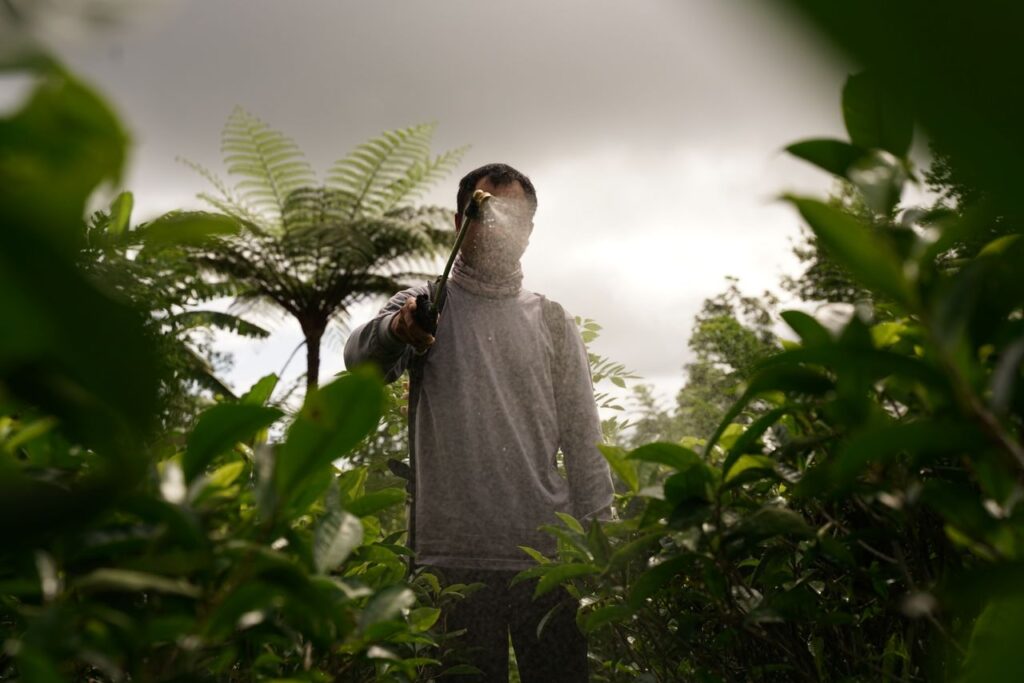
A pesticide-light garden is not a garden where pests never appear. It is a garden where sprays are not the first response to every chewed leaf, tiny insect, or unusual mark. The goal is to prevent serious problems, observe plants regularly, and use the least disruptive solution when action is genuinely needed.
Start by choosing plants that suit your available sunlight, space, and local conditions. A plant growing in the wrong location is more likely to become weak and vulnerable. Give plants enough room for airflow, use pots with proper drainage, and avoid keeping the soil permanently wet. Healthy roots and suitable growing conditions are the first layer of pest prevention.
Grow a variety of plants instead of planting only one crop throughout the space. Mixing herbs, vegetables, and flowering plants can create a more balanced garden and attract pollinators and helpful predators. Allowing a few herbs such as basil or coriander to flower may encourage beneficial insects to visit.
Make plant inspection part of your weekly routine. Look beneath leaves, around new shoots, along stems, and near the soil surface. Small pest problems are much easier to manage before they spread. Aphids may sometimes be washed away with water, caterpillars can be removed by hand, and badly infested leaves may be trimmed when appropriate.
Avoid assuming that every insect is harmful. Spiders, ladybirds, hoverflies, and certain wasps can help control pest populations. Broad sprays may kill these useful visitors together with the pests. Before treating anything, identify what you are seeing and decide whether the damage is serious enough to require action.
Simple barriers can also reduce pesticide use. Fine insect netting may protect young vegetables, while stakes and trellises keep plants off the ground and improve airflow. Removing fallen fruit, diseased leaves, and dense weeds can reduce hiding places and prevent some problems from becoming worse.
When treatment is necessary, choose a targeted product and follow its label carefully. Even soaps, neem oil, and other lower-impact options can harm sensitive plants or beneficial insects when applied incorrectly. Test a small section first, avoid open flowers, and stop treating once the problem is under control.
At the end of the day, a pesticide-light garden depends on prevention, patience, and observation. Build healthy soil, grow suitable plants, welcome beneficial insects, and respond to pests early instead of spraying automatically.
If you are building a pesticide-light home garden, we would love to see how you manage it. Tag @projectharvest.my on Instagram and share your natural pest-control methods, healthy plants, and gardening journey with us — your experience might inspire another Malaysian beginner to grow with fewer chemicals too.