
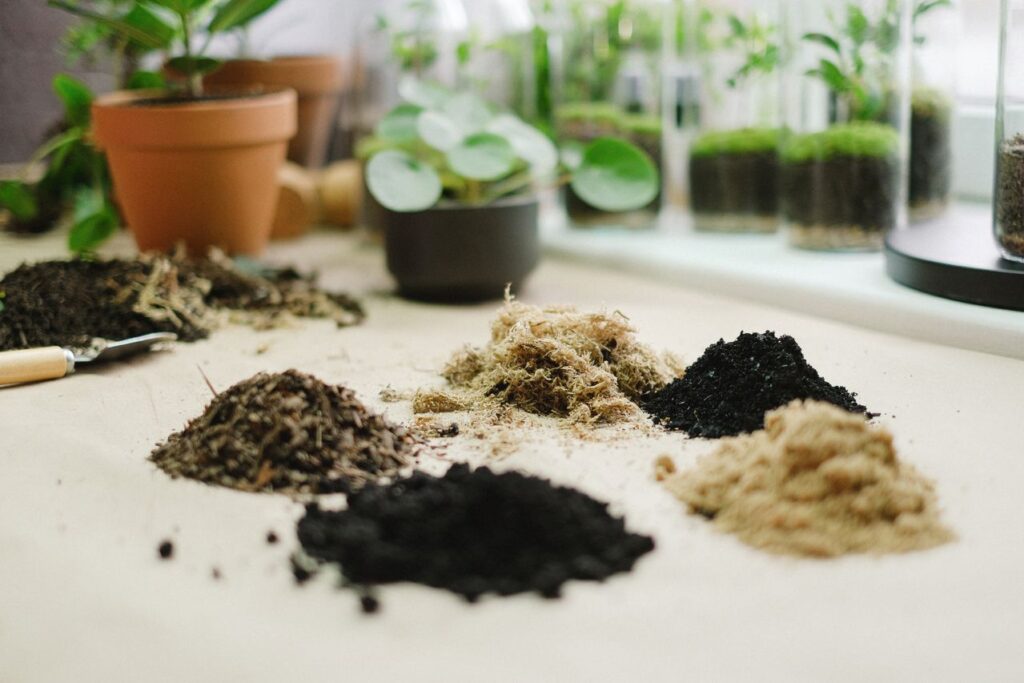
Healthy soil is the foundation of a healthy garden. When soil has good structure, enough organic matter, proper drainage, and active soil life, plants are better able to develop strong roots and use water and nutrients effectively. Improving soil health naturally does not require complicated products. Small, consistent habits can gradually make a major difference.
One of the best ways to improve soil is to add finished compost. Compost introduces organic matter and helps soil hold moisture without becoming overly compacted. It can also improve drainage in heavy soil and support beneficial microorganisms. Mix a moderate amount into garden beds or potting mixes, or spread a thin layer around established plants. Avoid using unfinished compost because it may smell, attract pests, or continue breaking down around the roots.
A suitable layer of mulch is another simple tool. Dried leaves, bark, wood chips, or other plant-based materials can protect the soil from intense sun and heavy rain. Mulch slows moisture loss, reduces weed growth, and gradually adds organic matter as it decomposes. Keep it slightly away from plant stems and trunks so moisture does not remain trapped against them.
Try to keep the soil covered and planted whenever possible. Bare soil is more vulnerable to drying, erosion, and compaction. Ground covers, low-growing herbs, or closely managed plants can help protect the surface. In larger beds, rotating different crops and avoiding the same plant in the same place repeatedly may also reduce nutrient depletion and certain pest or disease problems.
Avoid digging or disturbing the soil more than necessary. Heavy and frequent cultivation can break apart soil structure and disturb useful organisms. Loosen compacted areas gently, but allow healthy soil to remain relatively undisturbed between planting cycles.
Watering habits also influence soil health. Constantly soggy soil can reduce oxygen around the roots, while repeated severe drying can make the soil difficult to rehydrate. Water deeply when needed, allow excess water to drain, and adjust according to the weather. During Malaysia’s rainy periods, good drainage may matter more than additional watering.
Chemical fertilisers and pesticides should be used thoughtfully rather than automatically. Overuse can create nutrient imbalances or affect beneficial soil life. Focus first on compost, mulch, suitable plants, healthy roots, and good moisture management.
At the end of the day, improving soil health naturally is a gradual process. Add finished compost, protect the surface with mulch, reduce unnecessary digging, grow a variety of plants, and maintain balanced moisture. Stronger soil creates a more resilient garden from the roots upward.
If you are improving the soil in your home garden naturally, we would love to see your progress. Tag @projectharvest.my on Instagram and share your compost, mulch, soil improvements, and gardening journey with us — your experience might inspire another Malaysian beginner to build healthier soil too.