
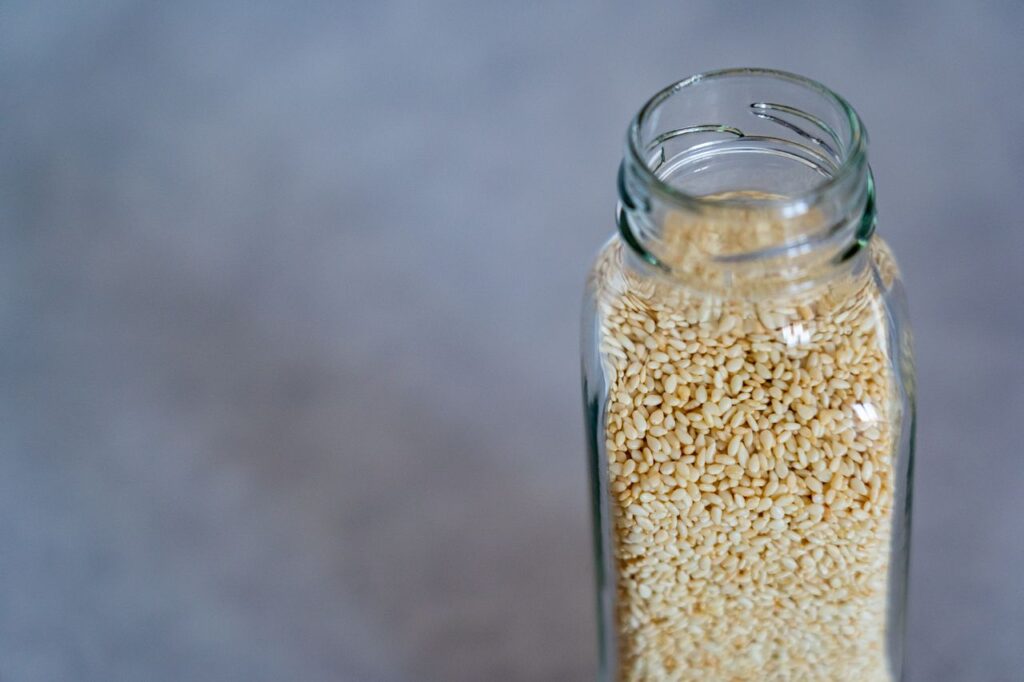
The biggest challenge with storing seeds in Malaysia is not usually heat alone.
It is the combination of heat and humidity.
Seeds are living material, and once they are exposed repeatedly to moisture in the air, they begin ageing faster. In a tropical home, an opened seed packet left in a kitchen drawer can deteriorate much faster than the same packet stored somewhere cool, dry, and airtight.
The goal of good seed storage is therefore simple:
keep seeds dry, keep them reasonably cool, protect them from large temperature swings, and prevent moisture from repeatedly entering the container.
You do not need professional seed-bank equipment to do this well.
Why Humidity Damages Stored Seeds
Dry seeds remain relatively inactive.
That is what allows them to survive for months or even years before germinating.
But when they absorb moisture from humid air, biological activity begins increasing.
If the conditions are not suitable for actual germination, the seed may repeatedly absorb and lose moisture without ever growing.
That cycle can accelerate deterioration.
High humidity can also encourage mould or fungal growth if seeds are stored while damp.
In Malaysia, this means an opened packet is much more vulnerable than one kept sealed.
Start with Properly Dry Seeds
If you are storing commercially packaged seeds, they are usually already dry enough for storage unless the packet has been exposed to moisture.
If you are saving seeds from your own garden, drying becomes much more important.
Seeds should be fully dry before they are sealed inside an airtight container.
Never seal freshly harvested damp seeds into a jar or plastic container.
That trapped moisture can create mould and destroy the entire batch.
Drying time varies depending on the crop, seed size, and surrounding humidity, so do not rely on one universal number of days.
The important thing is that seeds should feel properly dry before long-term storage.
Use Airtight Containers
For Malaysia, airtight storage is one of the biggest improvements you can make.
Seed packets can be placed inside:
resealable airtight plastic containers,
glass jars with tight lids,
properly sealed food-storage boxes,
or sealed moisture-resistant bags.
The original paper packet alone is usually not enough protection for long-term storage in humid conditions.
Paper absorbs moisture from the surrounding air.
A better approach is to keep the labelled packet for identification but place it inside a sealed secondary container.
Add a Food-Safe Desiccant
A desiccant absorbs moisture from the air inside the storage container.
Silica gel packets are a common option.
Food-safe desiccant packets can help keep the environment around stored seeds dry, particularly when the container is opened occasionally.
Do not allow loose desiccant material to mix directly with the seeds unless it is specifically intended for that type of use.
Keep it in its original packet.
Also remember that desiccants have a limited capacity.
If they absorb enough moisture, they eventually stop being effective.
Some products can be dried and reused according to the manufacturer’s instructions, while others should be replaced.
Do Not Keep Opening the Container
Every time you open an airtight seed box in humid Malaysian air, fresh moisture enters.
That does not mean you can never open it.
It simply means frequent unnecessary opening reduces the benefit of sealed storage.
If you have a large seed collection, consider organising it into several smaller containers.
For example:
one box for vegetable seeds,
one for herbs,
and one for saved seeds.
That way, opening the chilli seed container does not expose every other packet you own to humid air.
Store Seeds Somewhere Cool
Lower temperatures generally slow seed ageing.
Choose the coolest practical indoor location you have.
Avoid:
windowsills,
car porches,
garden sheds that become very hot,
areas beside ovens,
spaces above refrigerators,
and anywhere exposed to direct sun.
A bedroom cupboard or air-conditioned room may be much more suitable than an outdoor storage cabinet.
Temperature stability is useful too.
Repeated heating and cooling is less desirable than a reasonably stable environment.
Can You Store Seeds in the Refrigerator?
Yes, refrigerated storage can work very well for many seeds, but there is an important rule:
the seeds must be kept dry and sealed.
The refrigerator itself can contain moisture.
If seed packets are placed loose inside, they may be exposed to condensation or humidity every time the door opens.
Instead, place thoroughly dry seeds inside an airtight container with a suitable desiccant.
Then refrigerate the sealed container.
This can help preserve viability for longer, especially for seeds you intend to keep across several growing seasons.
Be Careful with Condensation
This is one of the most important refrigerator-storage habits.
If you remove a cold airtight container from the fridge and immediately open it in warm, humid air, condensation can form on the cold seeds and packets.
That defeats the purpose of dry storage.
Instead, remove the sealed container from the refrigerator and allow it to warm towards room temperature before opening it.
Only once the container has warmed should you open it.
This helps prevent humid air from condensing directly on the cold seeds.
Once you have removed what you need, reseal the container promptly.
What About the Freezer?
Freezing can preserve some properly dried seeds for long periods, but it is not necessary for the average home gardener.
Seeds must be sufficiently dry before freezing, and not every storage setup is suitable.
Repeated thawing and refreezing should also be avoided.
For most Project HARVEST readers, an airtight container in a cool cupboard or refrigerator is much simpler and safer.
You do not need to turn your kitchen into a seed bank.
Keep Seeds Away from the Kitchen Sink
The kitchen may seem convenient, but some parts of it are poor storage locations.
Steam from cooking, washing dishes, boiling water, and general kitchen humidity can expose packets to moisture.
A drawer near the stove may also become warm.
If you store seeds in the kitchen, use an airtight box and choose the driest, coolest section possible.
Do not leave open packets beside the sink after planting.
Label Every Packet Properly
Good storage is useless if, two years later, you have no idea what the seeds are.
Write down:
the crop,
variety,
date purchased or harvested,
and, if useful, the source.
For home-saved seeds, you may also note the season or plant they came from.
Example:
Chilli – Cili Padi – Harvested May 2026
This makes it much easier to monitor seed age and compare germination results later.
Write Down Germination Test Results
If you test an older seed batch, record the result on the packet.
For example:
Tested September 2026 – 8/10 germinated
Next season, you immediately know that the batch was still performing well.
If another test later drops to 4/10, you know viability is declining and can either sow more heavily or replace the seed.
Simple records turn seed storage from guesswork into a manageable system.
Avoid Storing Damaged Seeds
Do not mix obviously damaged, mouldy, insect-infested, or discoloured seeds into a healthy stored batch.
Inspect home-saved seeds before packing them away.
Remove debris and damaged material.
One bad seed does not automatically destroy an entire batch, but storing clean material reduces unnecessary problems.
If the packet develops a musty smell or visible mould, reconsider whether it is worth keeping.
Do Not Store Seeds While They Are Still Inside Wet Fruit
For wet-seeded crops such as tomatoes, chillies, cucumbers, and some other fruits, the seeds need to be properly cleaned and dried before storage.
Never scrape wet seeds from a fruit and seal them immediately inside a plastic bag.
Moist plant residue can encourage fermentation, mould, and decay.
Different crops may require different seed-processing methods before drying.
The storage stage should begin only after the seeds themselves are clean and dry.
How Long Will Seeds Last?
There is no single lifespan for all garden seeds.
Some species naturally remain viable much longer than others.
Storage conditions can also make a huge difference.
A seed that remains viable for several years in cool, dry storage may deteriorate much faster inside a warm, humid drawer.
Instead of relying only on an expiry date, test older seeds for germination before planting.
That gives you real information about the batch you actually own.
Should You Throw Seeds Away After the Expiry Date?
Not automatically.
The date printed on a packet is not a switch that suddenly turns every seed dead.
If the seeds have been stored well, some may remain viable long after that date.
Run a germination test.
If eight out of ten still sprout, there is little reason to throw them away simply because the packet is old.
If one out of ten germinates, then you can decide whether the variety is worth keeping.
Make Small Seed Packets Instead of One Large Batch
If you save large quantities of your own seed, consider splitting them into smaller packets.
This allows you to open only what you need.
The rest remain sealed and protected.
It can also reduce losses if one packet becomes damp or contaminated.
For example, instead of keeping all your saved chilli seeds in one container, divide them into several labelled packets inside the main airtight box.
Avoid Plastic Bags That Are Not Properly Sealed
A loose zip bag may provide some protection, but not every bag is truly moisture-proof over long periods.
For better storage, use quality airtight containers or moisture-resistant packaging.
If you live in a particularly humid home, double protection works well:
individual packets inside,
airtight container outside,
desiccant inside the container.
Simple, inexpensive, and effective.
Check Stored Seeds Occasionally
You do not need to inspect them every week.
But once or twice a year, check the collection.
Look for:
moisture inside the container,
mould,
damaged packets,
insects,
failed seals,
or exhausted desiccant.
If everything remains dry and clean, close the container again.
This is also a good time to identify very old seed batches that should be germination-tested.
A Simple Malaysian Seed Storage Setup
For many home gardeners, a practical system looks like this:
Keep seeds inside their labelled paper packets.
Place those packets inside an airtight plastic or glass container.
Add one or more suitable food-safe silica gel packets.
Store the container somewhere cool and dark.
For longer storage, keep the sealed container in the refrigerator.
If refrigerated, allow it to warm before opening.
Return seeds to storage promptly after use.
That is already enough to improve seed storage dramatically compared with leaving packets loose in a drawer.
The Best Storage Begins the Moment You Open the Packet
A common mistake is taking good care of seeds only after they become old.
Protect them from the beginning.
When you sow ten chilli seeds, do not leave the remaining packet open on the gardening table all afternoon.
Close it.
Return it to the dry storage container.
The less time seeds spend exposed to Malaysian humidity, the better chance they have of remaining viable for future planting.
At the end of the day, storing seeds successfully in Malaysia is mostly about controlling moisture. Keep seeds properly dry, protect them inside airtight containers, add a suitable desiccant, avoid excessive heat, and manage condensation carefully if you refrigerate them. You cannot stop seeds from ageing forever, but you can slow that process dramatically — and that means fewer wasted packets, better germination, and a much more reliable seed collection for future growing seasons.
Have a drawer full of half-used chilli, tomato, herb, or vegetable seed packets at home? Give your seed collection a tropical-climate upgrade and tag @projectharvest.my on Instagram with your storage box, labels, desiccant setup, or germination results from seeds you managed to keep viable for years. We would love to see how Malaysian gardeners are building their own little home seed libraries.