
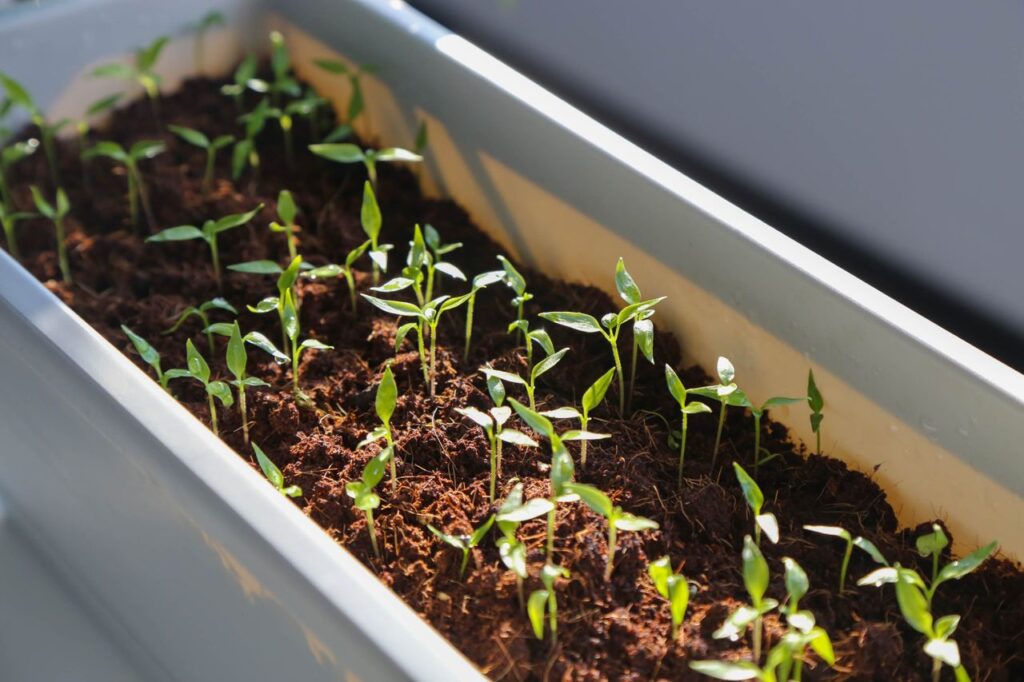
Seedlings that have spent their first few weeks under shade, indoors, beside a bright window, or inside a protected nursery area are not automatically ready for full outdoor conditions.
Before transplanting them into a garden bed or permanent pot, it is better to harden them off.
Hardening off means gradually exposing seedlings to stronger sunlight, wind, temperature changes, and outdoor conditions so they can adjust without suffering severe stress.
In Malaysia, this step is especially useful because young seedlings may suddenly face intense midday sun, reflected heat from concrete, strong rain, and drying wind all in the same week.
Why Seedlings Need Hardening Off
Protected seedlings usually grow in relatively stable conditions.
They may receive gentle light.
They may be shielded from wind.
Their growing medium may stay consistently moist.
Then they are suddenly planted outside.
The leaves now receive much stronger sunlight.
The plant loses water faster through transpiration.
Wind moves the leaves and stems.
The root system must cope with a much larger environment.
A seedling that has not adjusted may respond with:
wilting,
leaf scorch,
bleached patches,
collapsed leaves,
stalled growth,
or severe transplant shock.
Hardening off gives the plant time to strengthen gradually.
Start About a Week Before Transplanting
For many common vegetables, begin hardening off around seven to ten days before transplanting.
This is not a rigid number.
Strong seedlings raised outdoors under partial shelter may need less adjustment.
Very soft seedlings raised indoors under artificial lights may need longer.
The important thing is gradual exposure rather than one dramatic move.
Day 1: Start with Gentle Morning Conditions
Place the seedlings outdoors in a sheltered location for one or two hours.
Choose:
bright shade,
filtered sunlight,
or gentle early morning sun.
Avoid the hottest part of the day.
For Malaysian conditions, early morning exposure is a good starting point because sunlight is much less intense than at midday.
Then return the seedlings to their protected location.
Days 2 and 3: Increase Outdoor Time
Gradually extend the period outdoors.
Allow seedlings to experience several hours of morning light.
A little gentle breeze is useful too.
Wind movement encourages stems to become stronger and helps the plant adapt to faster water loss.
But avoid placing delicate seedlings immediately in a very exposed balcony where leaves are whipping around continuously.
The goal is adaptation, not punishment.
Days 4 and 5: Introduce Stronger Light Gradually
As seedlings adjust, allow them to stay outside longer.
Increase their exposure to brighter light.
You can begin allowing some late-morning sun if the seedlings are coping well.
Watch the leaves.
If they begin showing pale, bleached, crispy, or scorched areas, the increase may have been too fast.
Move them back into gentler conditions and slow the process.
Do not assume a sun-loving adult plant means a tiny seedling can immediately tolerate full Malaysian afternoon sun.
Days 6 and 7: Longer Outdoor Exposure
By this stage, healthy seedlings can usually spend most of the day outdoors in conditions similar to their final planting position.
If the permanent garden receives several hours of direct sun, gradually expose seedlings to that level.
You can also allow them to experience more normal outdoor airflow.
Continue monitoring moisture closely.
Seedling trays dry much faster outside than they do under sheltered conditions.
Introduce Afternoon Sun Carefully
Malaysia’s afternoon sun can be intense.
This is one of the biggest hardening-off risks.
Even plants that eventually enjoy full sun may scorch if tender leaves are moved from shade directly into several hours of harsh afternoon exposure.
Increase sunlight gradually.
Morning sun first.
Then longer morning exposure.
Then stronger late-morning or limited afternoon conditions.
Give the plant time to build its tolerance.
Wind Matters Too
Hardening off is not only about sunlight.
Outdoor wind increases water loss and physically moves the plant.
Seedlings raised in completely still conditions often have softer stems.
Gentle outdoor movement encourages sturdier growth.
But strong wind can dehydrate seedlings quickly.
This is particularly relevant for Malaysian balconies, rooftops, and exposed terrace-house gardens.
Start with sheltered airflow before introducing very windy conditions.
Do Not Let Seedlings Dry Out Completely
Hardening off does not mean deliberately dehydrating seedlings.
You may sometimes hear advice about reducing water to “toughen them up.”
Mildly adjusting watering can help seedlings become less dependent on constantly wet soil, but allowing small root balls to dry severely can damage them.
Seedling cells contain very little growing medium.
Once they dry completely, young plants may wilt quickly.
Check moisture more often during hardening off because outdoor sun and wind increase water loss.
Water Before Strong Exposure
If seedlings are moving into a longer outdoor period, make sure the growing medium is appropriately moist first.
Do not take already-dry seedlings and place them into stronger sun.
At the same time, avoid leaving them sitting in trays full of water.
You want hydrated seedlings with good drainage.
What About Heavy Malaysian Rain?
Rain exposure should also be introduced carefully.
Gentle rain is usually not a problem.
A strong tropical downpour can flatten young seedlings, wash growing mix out of small cells, and damage tender leaves.
If thunderstorms are expected, keep very young seedlings under partial cover while still allowing airflow.
As plants become stronger, they can gradually experience more normal outdoor weather.
Hardening off should prepare seedlings for rain, but there is no benefit in letting a tray get smashed by its first storm.
Do Not Fertilise Heavily During Hardening Off
Hardening off is not the time to push rapid soft growth.
Heavy fertilisation can encourage tender new leaves that are more vulnerable to stress.
Keep your normal light seedling-feeding routine if one is already being used.
Avoid giving a strong fertiliser dose immediately before transplanting.
The priority is steady adjustment, not maximum growth speed.
Should You Harden Off Tropical Crops Too?
Yes.
Chillies, tomatoes, brinjal, basil, and other warm-climate crops still benefit from hardening off if they were raised under protected conditions.
They may enjoy warm weather as mature plants, but that does not mean delicate seedlings are instantly prepared for strong outdoor exposure.
The difference is not just temperature.
Sunlight intensity, wind, rain, and faster drying all change at once.
Which Seedlings Need Less Hardening?
Seedlings that were already grown outdoors in bright, sheltered conditions may require only a short adjustment.
For example, a seed tray kept under light shade outdoors from the beginning is already exposed to:
natural temperature changes,
air movement,
humidity,
and some sunlight.
These plants may transition more easily than seedlings raised indoors.
Still, if the final location receives much stronger sun, increase exposure gradually.
Watch for Signs You Are Moving Too Fast
Slow down if you see:
severe wilting,
white or bleached leaf patches,
brown crispy edges,
rapid leaf drop,
collapsed stems,
or seedlings that remain limp long after returning to shade.
Mild temporary drooping can happen as seedlings adjust.
Repeated severe stress is not useful.
Hardening off should make plants stronger over time, not progressively weaker.
How Do You Know a Seedling Is Ready?
A hardened seedling should be able to spend most of the day outdoors without obvious stress.
The stem should feel relatively sturdy.
Leaves should tolerate the light levels expected in the final location.
The growing medium should not dry uncontrollably within a very short period.
The seedling should also have a healthy root system and several true leaves, depending on the crop.
Once these conditions are met, transplanting becomes much safer.
Choose the Right Time to Transplant
In Malaysia, late afternoon can be a practical time for transplanting.
The strongest heat has passed, and the seedling has the evening and night to begin settling into its new soil before the next hot period.
Avoid transplanting into dry soil.
Water the planting area appropriately and make sure the root ball itself is moist.
If very hot weather is expected immediately after transplanting, temporary light shade may help for the first day or two.
Keep Watching After Transplanting
Hardening off reduces transplant shock, but it does not eliminate the need for care afterwards.
For the first few days, monitor:
soil moisture,
leaf condition,
sun exposure,
and weather.
Do not overwater simply because the plant looks slightly droopy.
Check the soil first.
Some temporary wilting after transplanting can occur while roots adjust.
The goal is to keep conditions stable enough for the root system to begin expanding into the surrounding soil.
A Simple Malaysian Hardening-Off Schedule
A practical starting routine could look like this:
Days 1–2: One to two hours of bright shade or gentle morning sun.
Days 3–4: Several hours outdoors with increasing morning sunlight and light wind.
Days 5–6: Longer outdoor periods with stronger light.
Days 7–8: Most of the day outside in conditions approaching the final location.
Days 9–10: Full outdoor conditions where appropriate, followed by transplanting.
Adjust the pace according to the crop and how the seedlings respond.
There is no prize for completing the process faster.
Avoid One Big Jump
The biggest mistake is raising seedlings in gentle conditions for weeks and then planting them straight into full sun.
That may save a few days, but it can cost you healthy leaves, growth, or even the entire seedling.
Hardening off is a short transition period that protects all the work you already put into germination and seedling care.
At the end of the day, hardening off is about giving young plants time to adjust to the real world. Gradually increase sunlight, wind, and outdoor exposure while keeping the roots properly hydrated and protecting tender seedlings from extreme heat or heavy tropical rain. In Malaysia, where outdoor conditions can change quickly from calm morning sun to scorching heat and thunderstorms, those few days of preparation can make the difference between seedlings that struggle after transplanting and ones that continue growing almost immediately.
Moving your chilli, tomato, brinjal, herb, or vegetable seedlings outdoors soon? Tag @projectharvest.my on Instagram and show us your hardening-off setup, seed trays, first outdoor session, or the seedlings after transplanting. We would love to follow their journey from protected trays to fully established Malaysian home-garden plants.