
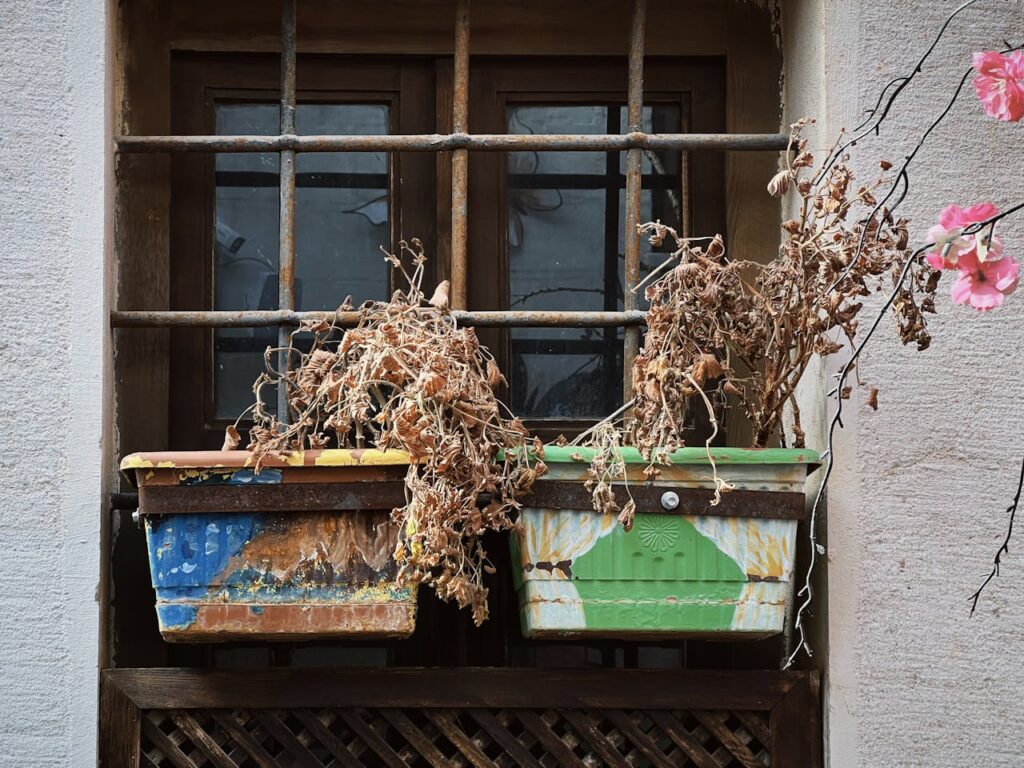
If you are new to gardening, one of the most frustrating feelings is watching your plants slowly decline no matter how hard you try. The leaves turn yellow, the stems droop, growth becomes weak, and before long, the plant looks like it is giving up on life. Many beginners immediately assume they just “don’t have a green thumb,” but that is usually not the real problem. Plants do not die just because you are a beginner. Most of the time, they die because of a few common care mistakes that can actually be corrected once you know what to look for. The good news is that a struggling plant is often a sign to adjust something, not a sign to quit gardening completely.
One of the biggest reasons plants keep dying is incorrect watering. This can mean too much water or too little. In Malaysia, many beginners overwater because the weather feels hot and humid, so they assume plants are thirsty all the time. But constantly wet soil can suffocate roots and lead to root rot. On the other hand, some people forget to water consistently, especially if they get busy for a few days. The best fix is to stop guessing and start checking the soil before watering. If the top layer still feels damp, wait. If it feels dry, then water properly. This simple habit alone can save many beginner plants.
Another very common problem is poor drainage. Even if your watering routine seems reasonable, your plants can still struggle if excess water has nowhere to go. Pots without drainage holes are one of the biggest silent killers in home gardening. Water gets trapped at the bottom, roots stay wet for too long, and the plant slowly weakens. If this is happening, the fix is straightforward: use pots with drainage holes and a growing medium that does not stay compact and soggy. A healthy root system needs both moisture and airflow.
Lack of sunlight is another major reason plants fail. Some homes feel bright, but not every bright area gives plants the direct light they need. Sun-loving plants like chillies, tomatoes, and many herbs will struggle if they are kept in deep shade or indoors without enough direct light. They may become weak, pale, stretched out, or stop growing properly. The fix is to observe your space and match the plant to the light available. If your home only gets partial sun, choose plants that can tolerate it instead of forcing high-sun plants into the wrong conditions.
Sometimes the issue is the wrong plant in the wrong place. Beginners often buy plants based on appearance or excitement rather than whether the plant suits their home environment. A plant that thrives in one house may struggle badly in another due to differences in sun, airflow, rain exposure, or available space. This is why starting with easier, more beginner-friendly plants makes such a difference. Plants like pandan, lemongrass, mint, bayam, and curry leaf are often easier to manage in Malaysian conditions than more demanding plants.
Another reason plants decline is poor soil or low-quality potting mix. Even if you water correctly and provide sunlight, a plant can still suffer if the growing medium is too heavy, too compact, or too low in nutrients. Roots need a mix that can hold moisture while still allowing air to pass through. If your soil feels dense, muddy, or poorly drained, it may be time to repot using a better potting mix. This gives the plant a fresh start and can dramatically improve recovery.
Pests and disease also play a part. Small holes in leaves, sticky residue, curled growth, yellow spotting, or white patches may be early warning signs that something is attacking your plant. Beginners often notice these signs too late or ignore them, hoping the plant will recover on its own. The fix is to check your plants regularly, even for just a few minutes a day. Catching problems early is much easier than trying to save a heavily damaged plant later.
Most importantly, do not underestimate the effect of doing too much at once. Constantly repotting, moving plants, changing watering habits every day, or trying too many treatments at once can stress a plant even more. Sometimes the best fix is to slow down, identify the most likely problem, and make one clear adjustment. Plants need time to respond.
At the end of the day, plants usually die because of care mismatches, not because you are bad at gardening. Once you learn how to spot the warning signs and make small corrections, everything starts to feel much easier. Gardening is a skill, and like any skill, it gets better with practice, patience, and observation.
If you have had a few plant failures before, do not worry — you are definitely not alone. Share your gardening journey, your lessons, and even your plant recovery stories with us by tagging @projectharvest.my on Instagram. We would love to see your progress and cheer you on as your garden grows.