
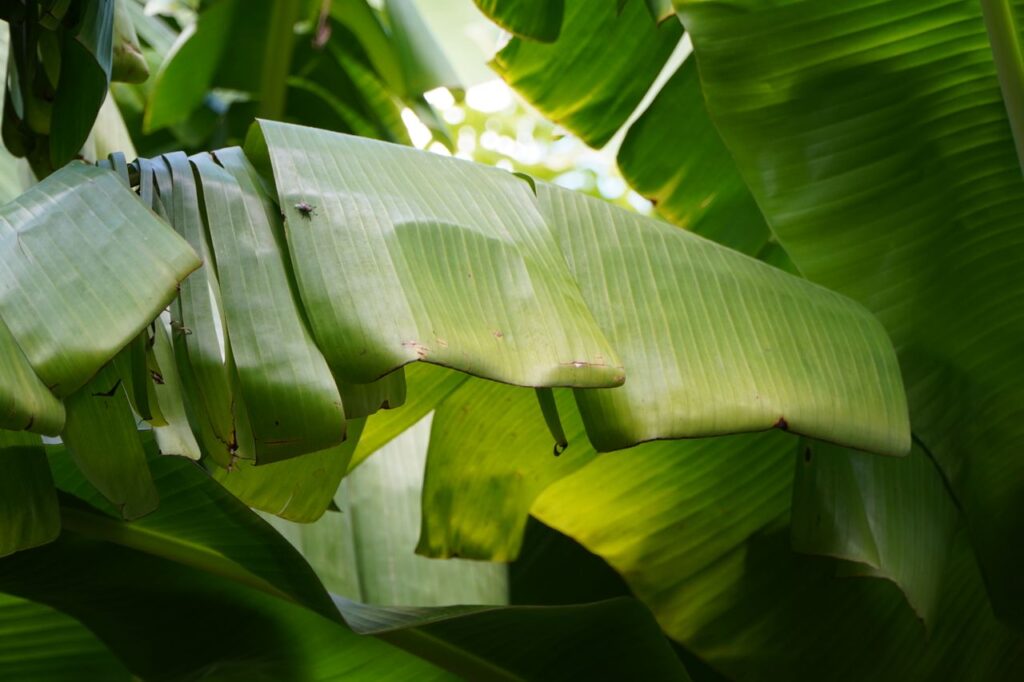
Leaf curl is one of the most frustrating plant problems for beginners because it can look dramatic very quickly. A healthy-looking plant one week can suddenly start showing leaves that curl upward, roll inward, twist, or look crinkled and distorted. The difficult part is that leaf curl is not one single problem. It is a symptom. That means the curling itself is the plant’s way of reacting to stress, and the real job is figuring out what kind of stress is causing it.
One common reason leaves curl is heat or water stress. In hot weather, some plants curl their leaves to reduce moisture loss. This is especially common when the roots are not getting moisture evenly, or when the plant is exposed to strong heat for long hours. In this case, the fix is not panic-fertilising. It is improving the basics: steadier watering, better mulching if appropriate, and making sure the plant is not constantly swinging between very dry and very wet conditions.
Another common cause is sap-sucking pests such as aphids. These tiny insects often gather on soft new growth and leaf undersides. As they feed, leaves may curl, twist, distort, or become sticky. This kind of curl is different from simple heat stress because the new growth often looks misshapen. The best fix is to inspect the plant closely, especially under the leaves, and deal with the pest problem early before it spreads.
Sometimes leaf curl can also come from chemical or environmental stress. Herbicide drift, harsh sprays, sudden transplant stress, or damaged roots can all create unusual curling or twisting. In these cases, the leaves may look strangely narrow, twisted, or uneven rather than simply rolled from dryness. If that is the pattern, think about what the plant was recently exposed to.
It is also worth remembering that overwatering can mimic underwatering. A plant with badly stressed roots may curl or wilt because the roots are struggling, even if the soil feels wet. That is why looking only at the leaves is not enough. Always check the whole situation: soil moisture, drainage, pests, recent weather, and any chemicals nearby.
At the end of the day, fixing leaf curl starts with slowing down and reading the pattern properly. If the curl comes from heat or moisture stress, improve watering and conditions. If it comes with pests, inspect and treat early. If it follows chemical exposure or root problems, reduce further stress and let the plant recover. Leaf curl is not the final diagnosis — it is the clue that tells you to look deeper.
If you are trying to figure out why your plant leaves are curling, we would love to see it. Tag @projectharvest.my on Instagram and share your plant, your garden setup, and your gardening journey with us — your home garden might inspire another Malaysian beginner to grow with more confidence too.